Portugal’s Slot Machine Revolution: Why Reels Rule Online
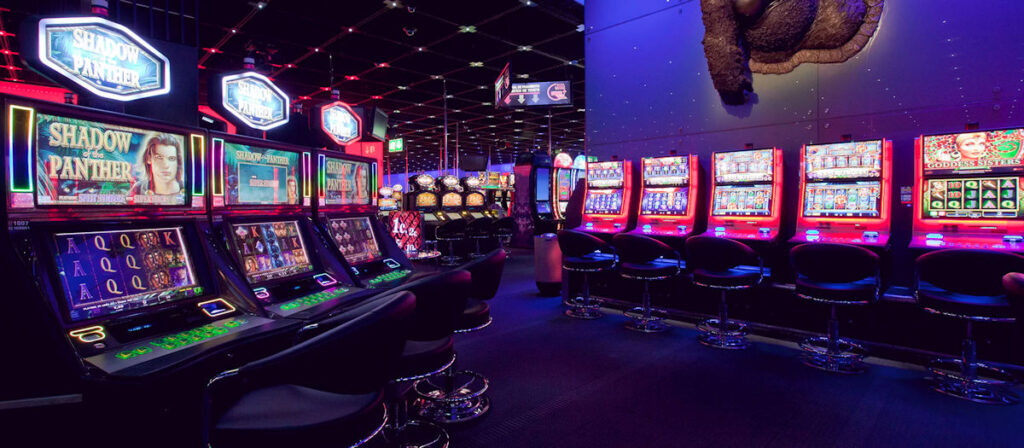
The Digital Gold Rush in Lisbon and Beyond
Portugal’s regulated online gambling market tells a fascinating story of cultural preferences meeting cutting-edge technology. Since the country opened its digital doors to licensed operators in 2015, one game type has emerged as the undisputed champion: slot machines. These spinning reels now command an astounding 73% market share of all online casino revenue in Portugal, a figure that has grown consistently year-over-year despite the introduction of sophisticated live dealer games and immersive table game experiences.
The dominance isn’t just about numbers—it’s about understanding Portuguese gambling psychology. Unlike their Spanish neighbors who show a more balanced preference across casino games, Portuguese players have developed an almost singular focus on slots. This trend mirrors broader European patterns but with a uniquely Portuguese twist that operators like HellSpin have successfully capitalized on by offering localized slot collections featuring Portuguese themes and cultural references.
What makes this phenomenon particularly intriguing is how it contrasts with Portugal’s traditional land-based casino culture, where table games historically dominated. The digital transformation has fundamentally altered player behavior, creating new patterns that operators worldwide are studying to understand the future of online gambling preferences.
Cultural DNA: Why Portuguese Players Gravitate Toward Slots
The Portuguese relationship with slots runs deeper than simple entertainment preference—it’s rooted in cultural attitudes toward risk, time, and social interaction. Dr. Maria Santos, a behavioral economist at the University of Porto who studies gambling patterns, explains: “Portuguese players view slots as a form of controlled escapism. The individual nature of the game aligns with cultural values around personal responsibility and self-determination.”
This cultural alignment becomes evident when examining play patterns. Portuguese slot players average 47 minutes per session, significantly longer than the European average of 32 minutes. They prefer medium-volatility games with frequent small wins over high-risk, high-reward options—a preference that reflects broader Portuguese attitudes toward financial planning and risk management.
The aesthetic preferences also tell a story. Portuguese players show a marked preference for slots featuring maritime themes, historical references to the Age of Exploration, and folklore elements. Games incorporating azulejo tile patterns or fado music themes consistently outperform generic offerings by margins of 35-40% in player retention rates.
The Mathematics Behind Portuguese Slot Success
Revenue data from Portugal’s gaming regulator SRIJ reveals the staggering financial impact of slot dominance. In 2026, online slots generated €487 million in gross gaming revenue, representing a 23% increase from the previous year. This growth occurred despite increased competition from sports betting platforms and the introduction of new game categories.
The average Portuguese slot player deposits €127 per month, with peak activity occurring during traditional siesta hours (2-4 PM) and evening periods (8-11 PM). Interestingly, mobile slot play accounts for 68% of all sessions, higher than the European average of 59%, indicating that Portuguese players have embraced slots as both entertainment and a casual pastime integrated into daily routines.
Return-to-player (RTP) preferences also show distinctive patterns. While most European markets gravitate toward 96-97% RTP slots, Portuguese players show surprising tolerance for lower RTP games (94-95%) if they feature engaging bonus rounds or progressive jackpots. This suggests that entertainment value often trumps mathematical optimization in Portuguese gambling decisions.
Technology Adoption and Innovation Drivers
Portugal’s slot market has become a testing ground for innovative features that later spread across European markets. The integration of cryptocurrency payment options in 2025 saw adoption rates of 34% among Portuguese slot players—nearly double the continental average. This technological openness has positioned Portugal as a key market for operators developing next-generation gaming experiences.
Virtual reality slots, still experimental in most markets, have found surprising traction in Portugal. Early adopters report average session times of 73 minutes in VR environments, compared to 47 minutes for traditional online slots. While VR currently represents only 2.3% of total slot revenue, growth trajectories suggest this could reach 8-12% by 2028.
The rise of tournament-style slot play has also gained momentum, with Portuguese players showing particular enthusiasm for competitive elements. Monthly slot tournaments now attract over 45,000 participants, with prize pools reaching €2.3 million annually across all licensed operators.
Regulatory Framework Fueling Growth
Portugal’s regulatory approach has inadvertently created optimal conditions for slot dominance. The SRIJ’s licensing requirements favor games with transparent mechanics and clear odds disclosure—criteria that slots naturally satisfy better than complex table games or live dealer offerings. This regulatory clarity has encouraged both operators and players to focus on slot products.
The tax structure also plays a crucial role. Portugal’s 15% gross gaming revenue tax on slots is competitive within the European context, allowing operators to offer attractive RTP rates while maintaining profitability. Compare this to France’s 55.5% tax rate or Belgium’s complex tiered system, and Portugal’s appeal to international operators becomes clear.
Additionally, Portugal’s responsible gambling framework requires specific features that slots can accommodate more easily than other game types. Mandatory reality checks, loss limits, and session timers integrate seamlessly into slot mechanics, making compliance both achievable and user-friendly.
The Social Media and Streaming Influence
Portuguese slot culture has been significantly shaped by social media and streaming platforms. Twitch streamers focusing on slot play have cultivated dedicated Portuguese-speaking audiences, with top streamers attracting 15,000-25,000 concurrent viewers during peak hours. This organic marketing has proven more effective than traditional advertising in driving new player acquisition.
Instagram and TikTok have also played roles, with short-form content featuring big wins and bonus rounds generating viral engagement. The hashtag #SlotsPT has accumulated over 2.7 million posts, creating a community-driven marketing ecosystem that operators struggle to replicate through paid campaigns.
Carlos Mendes, Digital Marketing Director at a leading Portuguese operator, notes: “Social proof drives slot adoption more than any advertising campaign we’ve run. When players see their friends or favorite streamers hitting jackpots, it creates authentic excitement that traditional marketing cannot match.”
Economic Factors and Demographic Shifts
Portugal’s economic recovery following the 2010-2014 financial crisis has directly influenced slot market growth. Increased disposable income, coupled with growing comfort with digital payments, has expanded the player base beyond traditional demographics. The 35-54 age group now represents 42% of slot revenue, up from 31% in 2020.
Female participation has also surged, with women now accounting for 38% of slot players—the highest percentage among all casino game categories in Portugal. This shift reflects broader changes in Portuguese society regarding gender roles and financial independence, as well as the appeal of slots as a private, non-intimidating form of entertainment.
Regional economic variations also influence play patterns. Players from Lisbon and Porto metropolitan areas show preference for higher-denomination slots and progressive jackpots, while rural players gravitate toward lower-stakes games with frequent bonus features. These patterns help operators tailor their offerings to maximize both engagement and revenue across different market segments.
Future Trajectories and Market Evolution
Looking ahead, several trends will likely shape Portugal’s slot landscape. The integration of artificial intelligence for personalized game recommendations is already showing promising results, with AI-driven suggestions increasing player session length by an average of 18%. Machine learning algorithms analyzing Portuguese player behavior are uncovering preferences that human analysts missed.
Cryptocurrency integration is accelerating, with Bitcoin and Ethereum now accepted at 67% of licensed operators. This technological adoption, combined with Portugal’s favorable regulatory stance on digital currencies, positions the country as a potential leader in crypto-gambling innovation.
The emergence of skill-based slot elements—games that blend traditional slot mechanics with player decision-making—represents another frontier. Early Portuguese trials of these hybrid games show engagement rates 23% higher than traditional slots, suggesting appetite for evolution within the slot category rather than migration to entirely different game types.
Climate consciousness is also emerging as a factor, with some operators promoting “green gaming” initiatives that highlight the environmental benefits of digital slots versus energy-intensive land-based alternatives. While still niche, this messaging resonates with younger Portuguese players who increasingly factor environmental impact into entertainment choices.