Czech Crackdown: How Regulatory Pressure Reshapes Esports Betting
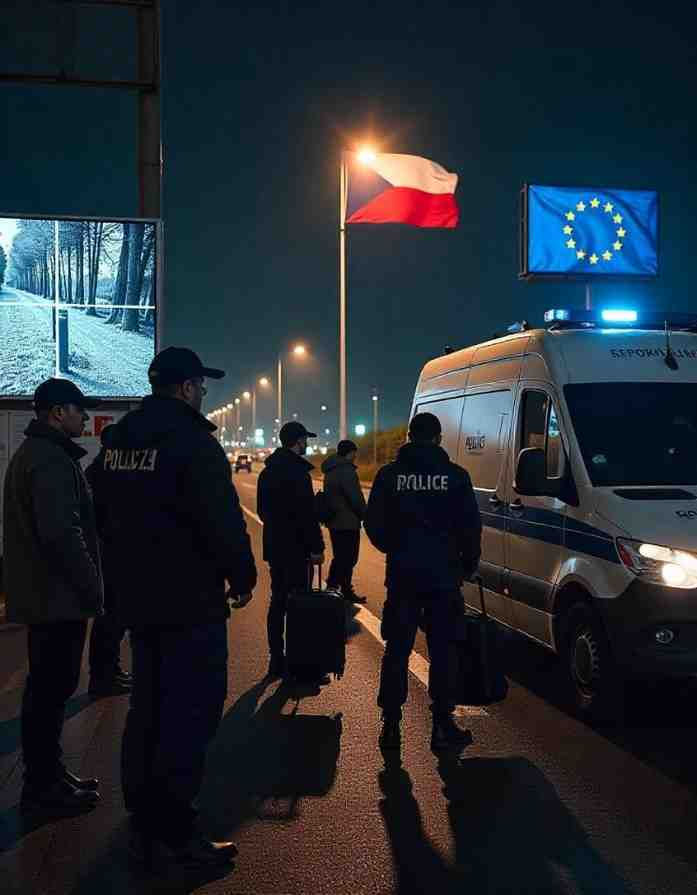
The Digital Iron Curtain Descends on Unlicensed Operators
The Czech Republic’s gambling landscape underwent a seismic shift in 2026 when the Ministry of Finance announced a 340% increase in enforcement actions against unlicensed online betting platforms. This dramatic escalation represents the culmination of a regulatory philosophy that began taking shape in 2017, but has now reached unprecedented levels of sophistication and enforcement power.
What makes this crackdown particularly significant for esports betting enthusiasts is the timing. As CS2 Major tournaments continue to draw record viewership—the Copenhagen Major 2026 peaked at 2.8 million concurrent viewers—Czech regulators have identified unlicensed esports betting as a primary target for enforcement. The convergence of massive tournament popularity and regulatory scrutiny creates a perfect storm that’s reshaping how Czech bettors engage with competitive gaming.
Licensed operators like IviBet have seen a notable surge in Czech registrations, with industry data showing a 67% increase in domestic sign-ups during Q3 2026 alone. This migration from gray-market operators to licensed platforms reflects both increased consumer awareness and the effectiveness of the regulatory pressure campaign.
The enforcement mechanism itself has evolved beyond simple website blocking. Czech authorities now employ sophisticated traffic analysis, payment processor monitoring, and even social media surveillance to identify and penalize unlicensed operators targeting Czech consumers. This multi-pronged approach has forced many offshore operators to either seek Czech licensing or abandon the market entirely.
Follow the Money: Payment Processor Stranglehold
Perhaps the most effective weapon in the Czech regulatory arsenal has been the systematic targeting of payment processors and financial intermediaries. In 2026, the Czech National Bank issued compliance directives to 47 domestic financial institutions, explicitly prohibiting transactions with unlicensed gambling operators. This financial blockade has proven more effective than traditional DNS blocking, which savvy users could easily circumvent.
The impact on esports betting has been particularly pronounced. Unlike traditional sports betting, esports wagering often involves smaller, more frequent transactions—exactly the type of payment pattern that automated monitoring systems can easily flag. Data from the Czech Banking Association shows that blocked gambling-related transactions increased by 890% year-over-year, with esports betting representing approximately 23% of all intercepted payments.
“The payment processor angle has been devastatingly effective,” explains Dr. Martin Svoboda, a financial technology researcher at Charles University. “When you cut off the money flow, you essentially eliminate the business model. Unlicensed operators can’t function without reliable payment processing, and Czech banks have become remarkably efficient at identifying and blocking these transactions.”
The Esports Betting Ecosystem Under Siege
The regulatory pressure has fundamentally altered the Czech esports betting landscape. Tournament betting, once dominated by offshore operators offering extensive markets on everything from first blood to map winners, has consolidated around a smaller number of licensed providers. This consolidation has had mixed effects on the betting experience.
On the positive side, licensed operators have invested heavily in esports-specific features to capture market share. Live betting during CS2 matches now includes more granular markets than ever before—round-by-round odds, economy tracking, and even individual player performance metrics. The BLAST Premier Fall Final 2026 featured over 150 different betting markets per match on licensed Czech platforms, compared to roughly 80 markets offered by the same operators just two years prior.
However, this regulatory compliance comes with trade-offs. Betting limits on licensed platforms tend to be more conservative, and the variety of smaller tournaments covered has decreased. Many Czech esports bettors report frustration with reduced coverage of tier-2 and tier-3 tournaments, which were previously accessible through unlicensed operators willing to offer markets on virtually any competitive gaming event.
Technology Arms Race: Circumvention vs. Detection
The cat-and-mouse game between Czech regulators and unlicensed operators has driven remarkable innovation on both sides. Regulators have deployed machine learning algorithms capable of identifying gambling-related traffic patterns, even when routed through VPNs or proxy services. The Ministry of Finance’s 2026 annual report revealed that their automated detection systems now identify 94% of attempts to access blocked gambling sites.
Unlicensed operators have responded with increasingly sophisticated circumvention techniques. Some have adopted decentralized hosting architectures that make traditional blocking ineffective, while others have integrated cryptocurrency payment systems to bypass banking restrictions. The emergence of blockchain-based esports betting platforms has created new regulatory challenges, as these systems operate outside traditional financial oversight mechanisms.
The technological arms race has also extended to user verification. Czech regulators now require licensed operators to implement advanced identity verification that goes beyond simple document checking. Biometric verification, geolocation tracking, and behavioral analysis have become standard features of compliant esports betting platforms operating in the Czech market.
Market Consolidation and Consumer Impact
The regulatory pressure has accelerated market consolidation in ways that few industry observers predicted. By the end of 2026, the number of esports betting platforms actively serving Czech customers had decreased by approximately 60% compared to 2024 levels. This consolidation has created both opportunities and challenges for consumers.
Licensed operators have used their improved market position to enhance customer experience significantly. Average customer service response times have decreased from 4.2 hours to 1.7 hours industry-wide, while the quality of esports betting interfaces has improved dramatically. The competitive pressure among the remaining licensed operators has driven innovation in areas like mobile betting apps and live streaming integration.
“What we’re seeing is a maturation of the Czech esports betting market,” notes Jana Novakova, a gambling industry analyst with Prague-based research firm GameTech Analytics. “The regulatory pressure has eliminated the bottom-tier operators and forced the survivors to compete on quality rather than just market access. For serious esports bettors, this has generally been a positive development.”
International Implications and Regulatory Export
The Czech approach to regulating esports betting has attracted attention from regulators across Europe and beyond. The combination of financial system integration, technological sophistication, and targeted enforcement has created a regulatory model that other jurisdictions are beginning to emulate. Slovakia announced plans to adopt similar payment processor restrictions in early 2027, while Poland has initiated discussions about implementing comparable detection systems.
This regulatory export has implications that extend far beyond Czech borders. As more European Union member states adopt similar approaches, unlicensed operators face the prospect of systematic exclusion from major markets. The European Gaming and Betting Association estimates that coordinated regulatory action could reduce unlicensed operator revenue by up to 40% across EU markets by 2028.
For international esports betting operators, the Czech model represents both a challenge and an opportunity. Those willing to invest in proper licensing and compliance infrastructure can access increasingly valuable regulated markets, while those attempting to operate in regulatory gray areas face mounting pressure and diminishing returns.
The Future Landscape: Adaptation and Evolution
Looking ahead, the Czech regulatory approach appears likely to intensify rather than moderate. The Ministry of Finance has allocated an additional €12 million for gambling enforcement in 2027, with a specific focus on emerging technologies like cryptocurrency betting and virtual reality gambling experiences. As esports continues to evolve—with new games, formats, and betting opportunities—regulators are positioning themselves to stay ahead of industry developments.
The success of the Czech approach may also influence broader European Union gambling regulation. Discussions within the European Commission about harmonized gambling standards have intensified, with the Czech model frequently cited as a potential template for EU-wide implementation. Such harmonization could fundamentally reshape the global esports betting landscape, creating a more regulated but potentially more stable market environment.
For Czech esports betting enthusiasts, the immediate future likely involves continued adaptation to a more regulated but potentially higher-quality betting environment. While the days of unlimited access to unlicensed operators appear to be ending, the resulting market concentration among licensed providers may ultimately deliver a superior betting experience for serious esports fans.